Case studies
Clean HTML proof for training buyers, event organisers, and AI decision-makers.
These case studies exist to make the offer easier to trust. They show measurable outcomes, real contexts, and the kinds of organisations the work already fits.
Search and AI answer engines cite pages more easily when the proof is easy to crawl. That is why the work below lives as clean page-level HTML instead of only inside a slider or visual showcase.
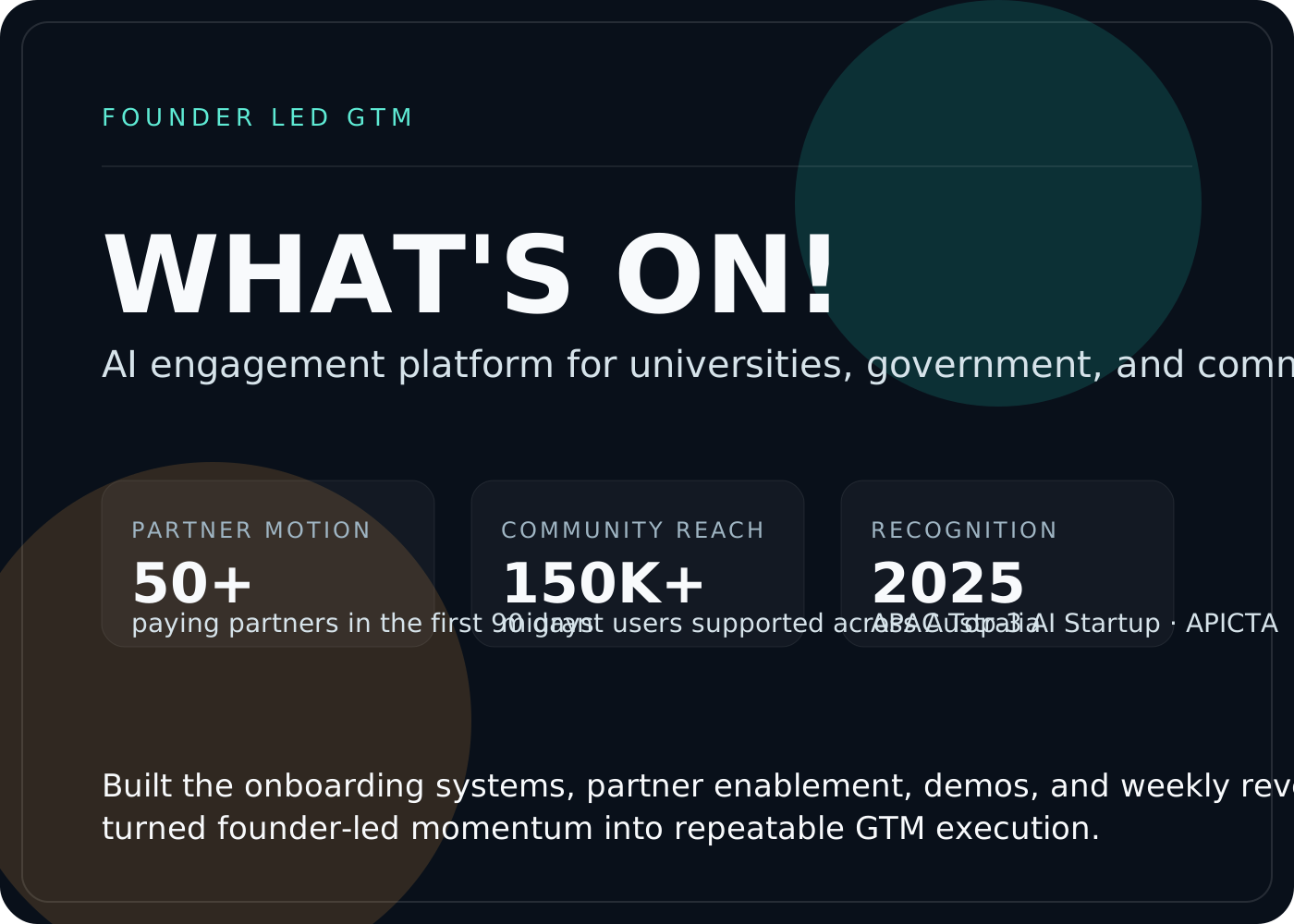
What's On! · 2025
What's On!
What's On! combined AI engagement design, onboarding, partner enablement, and a repeatable go-to-market rhythm for public-sector and higher-education buyers.
- 50+ paying partners in 90 days
- 150,000+ migrant users supported
- APAC Top-3 AI Startup recognition
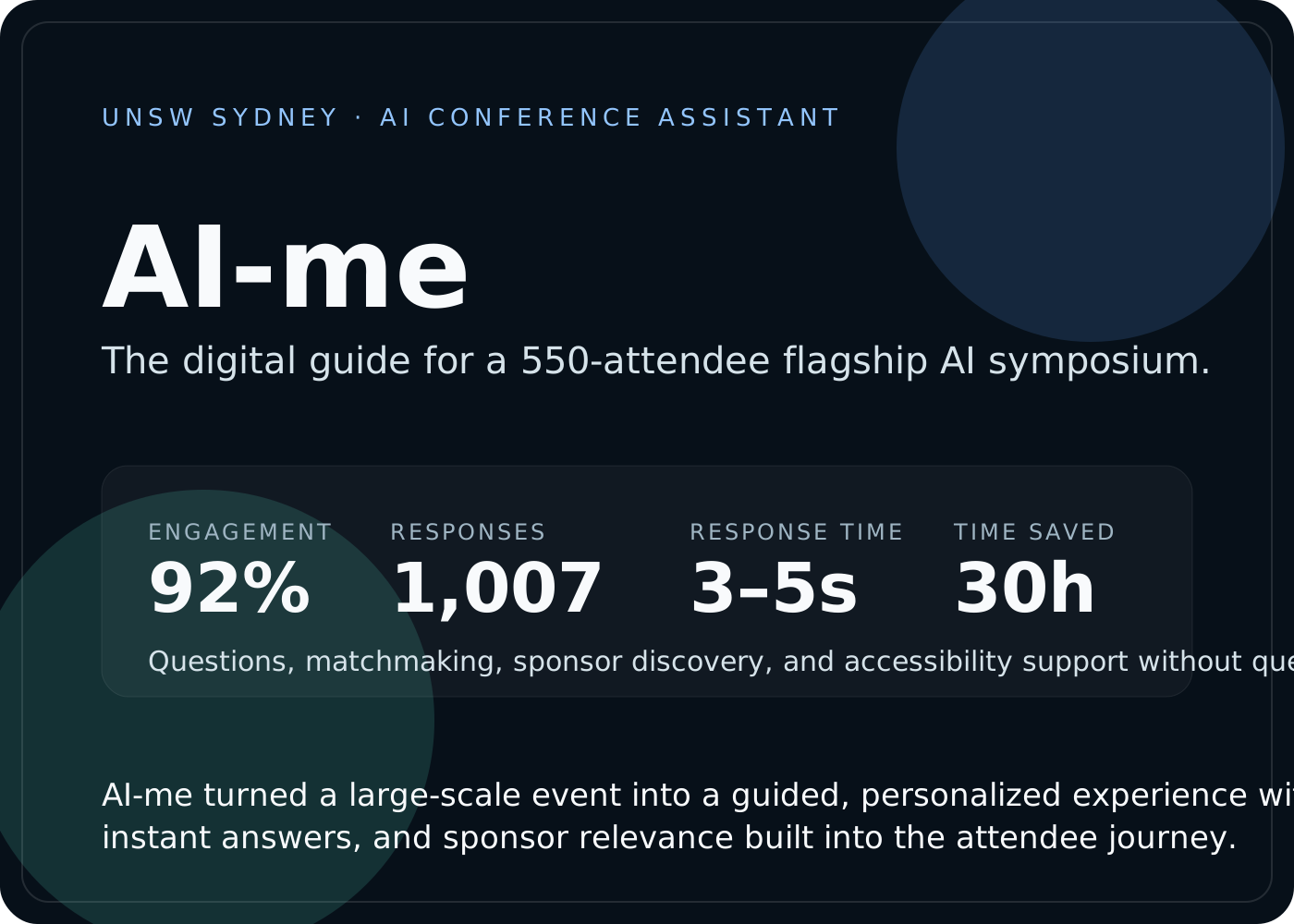
UNSW Sydney · 2025
AI-me
AI-me helped a 550-attendee symposium answer attendee questions quickly, reduce help-desk load, and make the event feel guided rather than overwhelming.
- 92% engagement
- 1,007 questions answered in 3-5 seconds
- ~30 hours of help-desk time saved
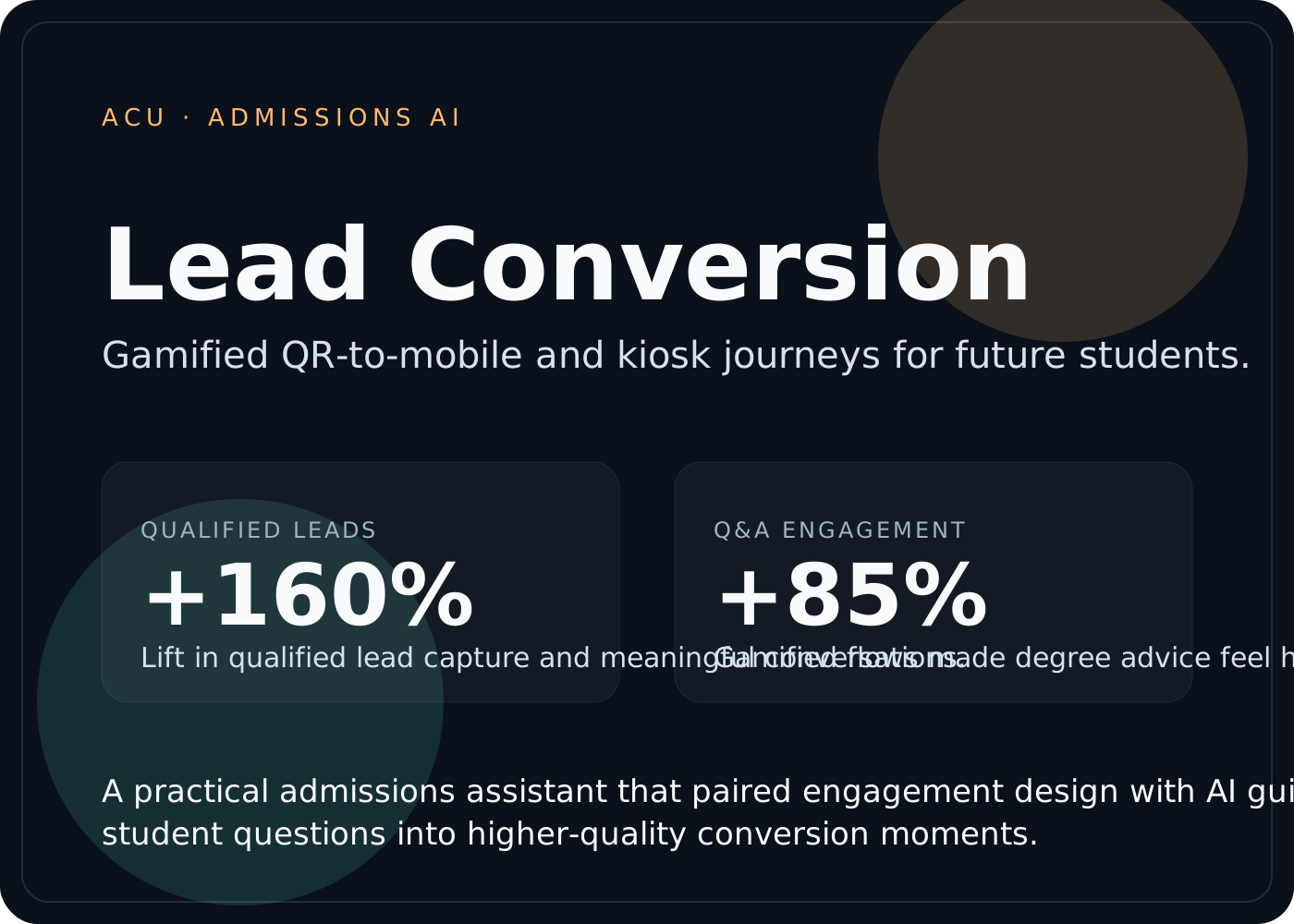
ACU · 2025
ACU Admissions AI
ACU Admissions AI combined QR-to-mobile and kiosk flows to guide prospective students toward stronger degree-fit conversations and more useful lead capture.
- 160% lift in qualified leads
- 85% increase in Q&A engagement
- Higher-quality degree conversations
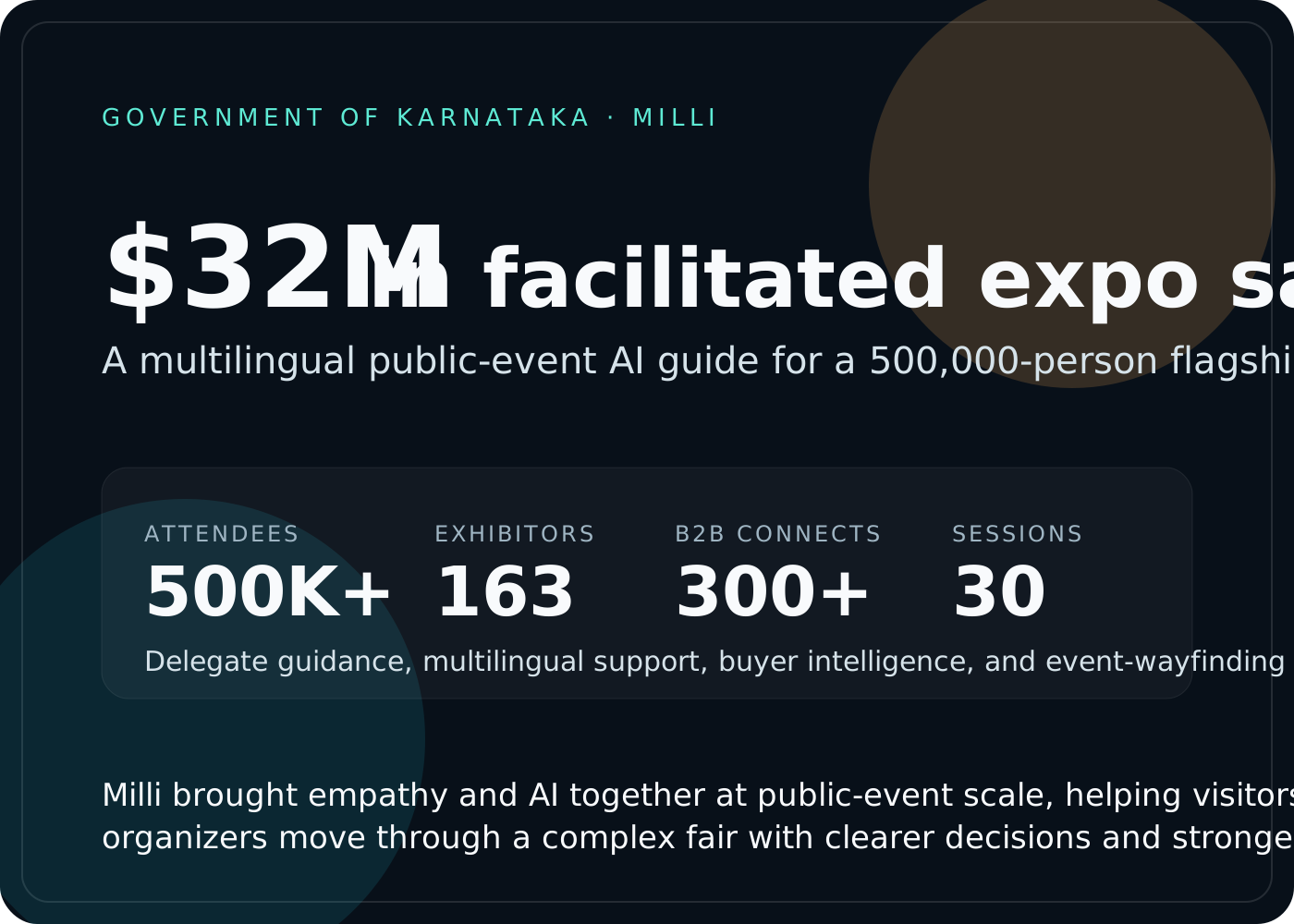
Government of Karnataka · 2025
Milli
Milli blended multilingual support, event guidance, and commercial discovery to help a major public event serve attendees while still driving useful business outcomes.
- $32M in expo sales enabled
- 500,000+ attendees served
- 163 exhibitors across the event
Client feedback
Trusted by teams that needed AI to become useful fast.
The AI upskilling session Rushi ran for our finance and leadership teams at our Sydney office was practical from the first hour. Everything was grounded in our real workflows, and the team walked out with tools and judgement they could apply straight away.
I managed Rushi during our work on Spotify's India launch, where he shaped the mobile-first audience strategy and fed into how our curation surfaced local music for new listeners. He connected data, local culture and product decisions in a way few people I have worked with can, and he moved fast without cutting corners. I would hire him again tomorrow.
Rushi gave the keynote on AI and entrepreneurship at our international student welcome, speaking to close to a thousand students who had just arrived in Sydney. He read the room beautifully. Instead of hype, he gave them an honest picture of where AI is taking work and what it means for building something of their own here. Students were still coming up with questions long after the session ended.
The chatbot didn't just answer questions — it doubled the number of students we could talk to meaningfully. With gamified flows and personalised roadmaps, we saw a 160% lift in qualified leads and conversations that felt human, not transactional.